
Buying or Selling Waterfront Property in New Hampshire

The Dolloff Team - Lets Create Your Waterfront Life
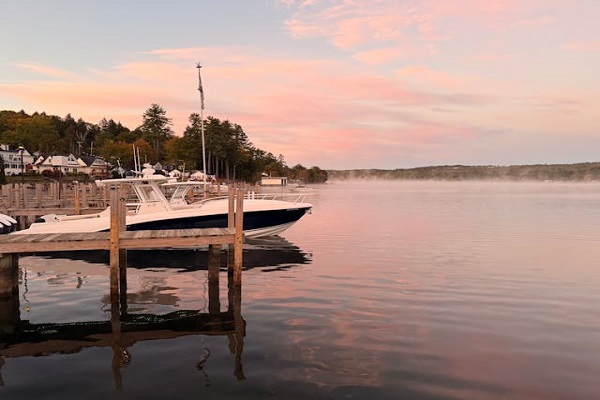
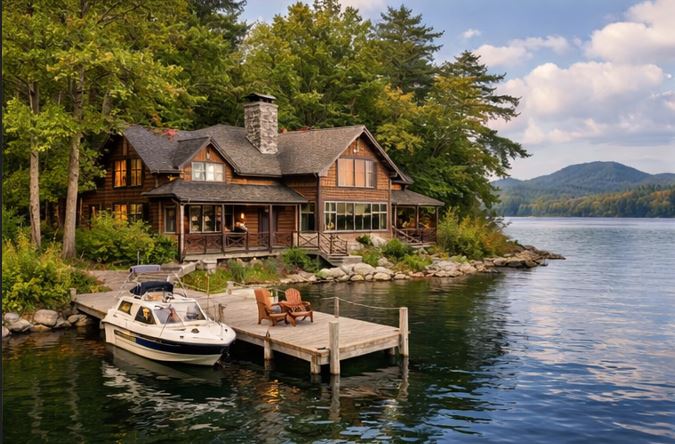
There's a reason waterfront property in New Hampshire rarely sits on the market long. Morning coffee with mist rising off the lake. Evening swims after work. The sound of loons calling across the water at dusk. Whether it's a cozy cottage on a quiet pond, a classic camp on Winnipesaukee, or a home along the Seacoast with sunset views over the marsh, waterfront living offers something a standard subdivision simply can't.
Why Buyers Fall in Love with Waterfront
New Hampshire's lakes, rivers, and coastline offer year-round appeal:
- Summer means swimming, boating, paddleboarding, and long evenings on the dock
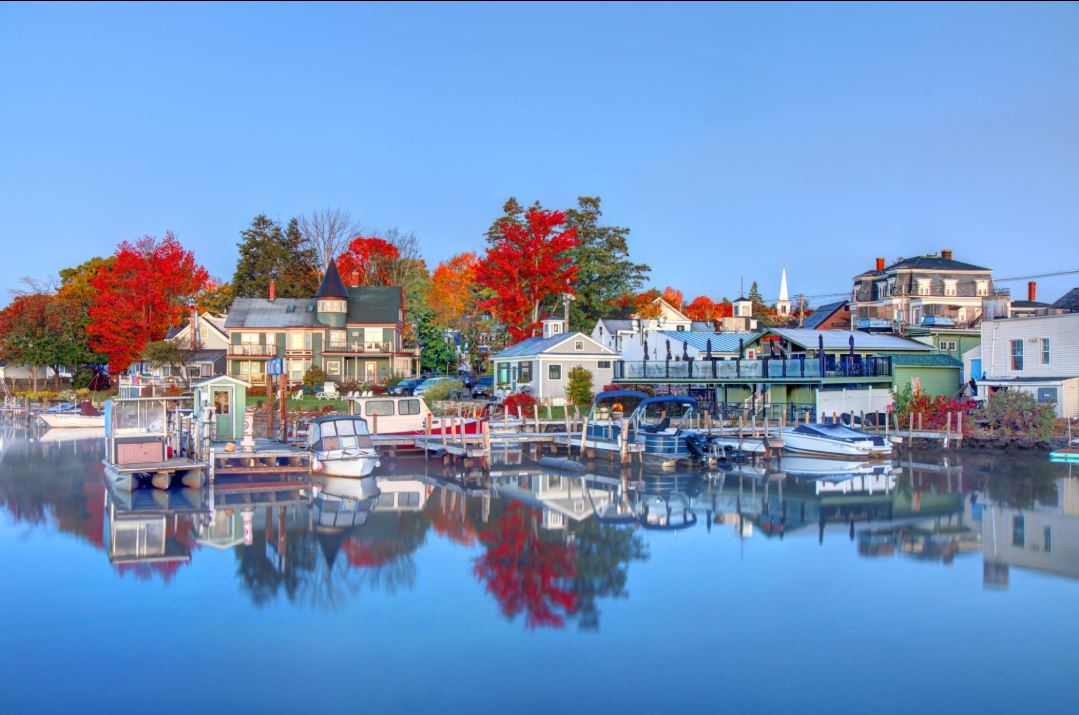
- Fall turns the shoreline into a front-row seat for New England's famous foliage
- Winter brings ice fishing, snowshoeing along frozen shorelines, and cozy fires with a view
- Spring wakes the water back up — loons return, the docks go back in, and the whole season feels like a fresh start
It's not just a home — it's a lifestyle upgrade, and often a smart long-term investment. Waterfront property tends to hold its value well, and demand consistently outpaces supply in most NH lake and coastal communities.
A Few Things Worth Knowing
Buying or selling a waterfront home in New Hampshire comes with unique considerations that don't apply to typical residential real estate. Whether you're dreaming of lake mornings on Winnipesaukee or a quiet stretch of river frontage near the Seacoast, understanding these factors upfront will save you time, money, and stress.
What Makes Waterfront Different
Waterfront properties carry their own set of rules, costs, and buyer expectations:
- Deeded water access vs. rights-of-way — Not all "waterfront" listings mean you own the shoreline outright. Some properties have deeded frontage; others have a right-of-way or shared access easement to the water. This distinction significantly affects value and what you can build (docks, decks, etc.).
- Septic and shoreland regulations — Properties near lakes, rivers, and coastal waters fall under New Hampshire's Shoreland Water Quality Protection Act, which limits construction, vegetation removal, and septic system requirements within 250 feet of the water.
- Dock and structure permitting — Adding or modifying a dock, boathouse, or breakwater typically requires state and sometimes local permits — this isn't a simple DIY project.
- Flood insurance — Many waterfront properties fall within FEMA flood zones, which can add a meaningful cost to your monthly housing budget. Always check flood zone status and get an insurance quote before finalizing an offer.
- Financing nuances — Some lenders treat waterfront and lake-access properties differently than standard single-family homes, particularly for appraisal and insurance requirements.
Selling Waterfront Property
If you're selling, buyers will expect clear documentation: septic inspection records, any permits for existing docks or structures, and a clear explanation of your water access rights. Having this ready before listing helps your property show as a well-maintained, low-risk purchase — and can prevent delays during due diligence.
Buying Waterfront Property
If you're buying, work with an agent who understands these nuances well before you fall in love with a view. The Dolloff Team has helped buyers navigate waterfront purchases across New Hampshire and southern Maine, from small pond cottages to larger lake and river properties.
None of this needs to be complicated — it just helps to have an agent who knows the ropes.
Ready to explore waterfront options, or have questions about a property you're considering? Contact Connie or Bill Dolloff — we'll walk you through exactly what to expect.